Where Do We Begin?
Your biology hasn't changed in 190,000 years.
Your environment has - dramatically.
Modern humans (Homo sapiens) evolved with bodies nearly identical to those we have today. But the world we live in now - defined by industrialised food systems, sedentary lifestyles, chronic stress, and reactive healthcare - is fundamentally different from the one we were designed for.
This mismatch is at the root of today's health crisis.

Nutrition
Advances in agriculture have reduced famine and increased food availability - but they've also changed what we eat.
In many cases, modern food systems prioritise efficiency over quality. Highly processed foods, altered nutrient profiles, and increased exposure to chemicals and additives have reshaped the modern diet.
The result is clear: rising rates of preventable, diet-related conditions driven not by scarcity-but by imbalance.

Lifestyle
For most of human history, movement was not optional - it was essential.
Daily life required strength, endurance, and constant physical activity. Today, movement has been engineered out of our environment. Long hours sitting, minimal physical exertion, and reliance on convenience have become the norm.
But human biology still expects movement.
Without it, metabolic, cardiovascular, and musculoskeletal health begin to decline.

Medicine
Modern medicine has transformed our ability to diagnose and treat disease.
However, most healthcare systems are still built around intervention, not prevention.
Conditions like Type II Diabetes - largely driven by lifestyle factors - continue to rise:
- ~5 million people in the UK live with diabetes (over 90% Type II)
- Over 37 million in the United States
These are not inevitable diseases. They are, in many cases, preventable.
Yet prevention remains fragmented, inconsistent, and under-supported.

Stress
Our stress response evolved to handle short, acute threats.
Today, it is activated constantly.
Chronic psychological pressure, poor sleep, digital overstimulation, environmental exposure, and disrupted circadian rhythms place a continuous burden on the body.
Over time, this impacts:
- Immune function
- Mental health
- Hormonal balance
- Metabolic stability
Left unmanaged, chronic stress becomes a silent driver of long-term health decline.
The Challenge
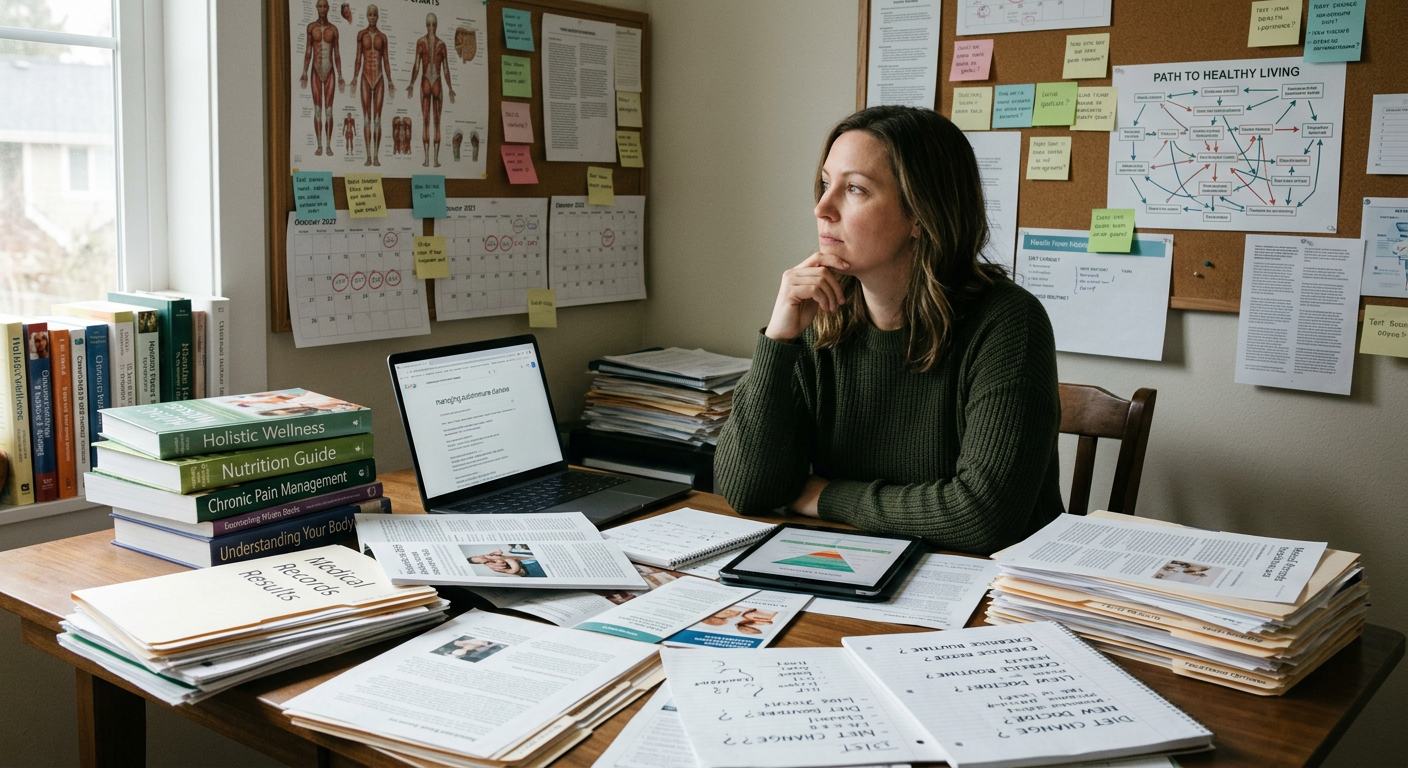
We've never had more access to health information.
Over a billion health-related searches are made every day. Yet more information hasn't led to better outcomes.
Instead, people face:
- Conflicting advice
- Oversimplified solutions
- Short-term fixes that don't last
The problem isn't awareness - it's clarity, structure, and consistency.

The Yuuu Approach
Yuuu is designed to make sense of complex human biology at an individual level.
We combine:
- Advanced diagnostics to establish your biological baseline
- Continuous monitoring to capture how your body responds over time
- AI-driven pattern and relationship detection to identify the underlying connections between your behaviours, environment, and health outcomes
Rather than treating symptoms in isolation, Yuuu analyses how variables interact - nutrition, movement, sleep, stress, and biomarkers - to uncover the patterns that drive your health.
From these insights, we build:
Personalised, natural health protocols
- Focused on nutrition, lifestyle, and behavioural change
- Designed for consistency, adaptability, and long-term results
No generic plans. No guesswork. No one-size-fits-all advice.
Just clear, data-driven direction - grounded in your biology.